Kym Welstead – “Great Blue Herons”

Kym Welstead – “Great Blue Herons”
by Sherri Wretham, 22 May 2008.

Kym Welstead is an Ecosystem Biologist with the B.C. Ministry of Environment, and is based in Surrey.

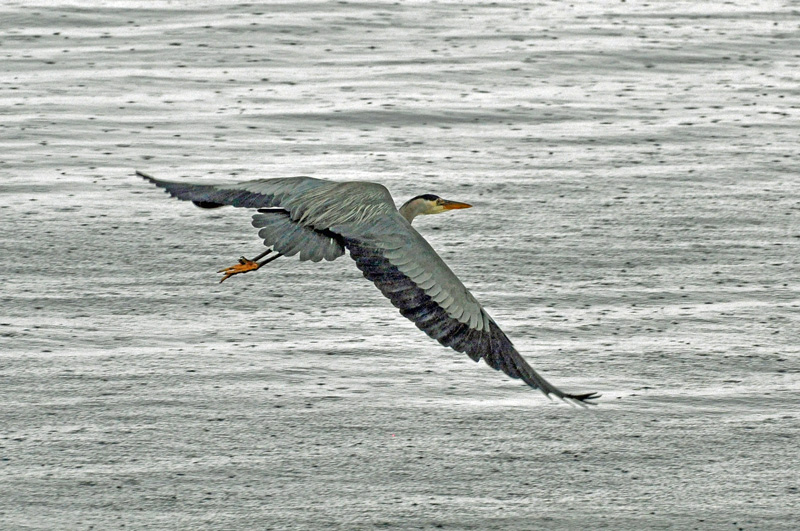
She spoke about the taxonomy, behavior, ecology and conservation status of Great Blue Herons.   Her talk highlighted the relationship between heron colony nesting performance and predation by bald eagles.

Botany BC and Texada

Botany BC and Texada
by Heather Harbord, 17 May 2008.

Botany BC, the annual meeting of botanists and plant enthusiasts of British Columbia was held in Powell River from 15-18 May.   As part of this event, John Dove and Terry Ludwar led a field trip to Texada Island on the second day, the 17th.

You can read the original trip announcement here.  You can also read a wonderful field trip report by Ian Cumming, one of the participants, complete with wonderful photographs,  here.

Bryophytes with Wilf Schofield

Bryophytes with Wilf Schofield
by Heather Harbord, 9 April 2008.

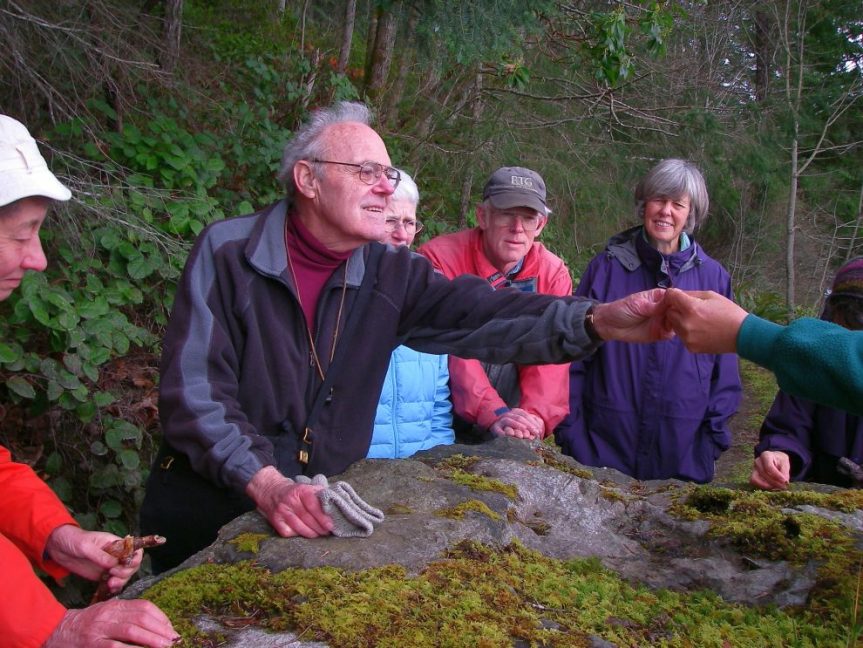
Dr. Wilf Schofield of the UBC Botany Department led a field trip to the trail on the north side of the Shingle Mill bridge. Everything was so interesting that the group could only progress about a hundred meters or so along the lake.

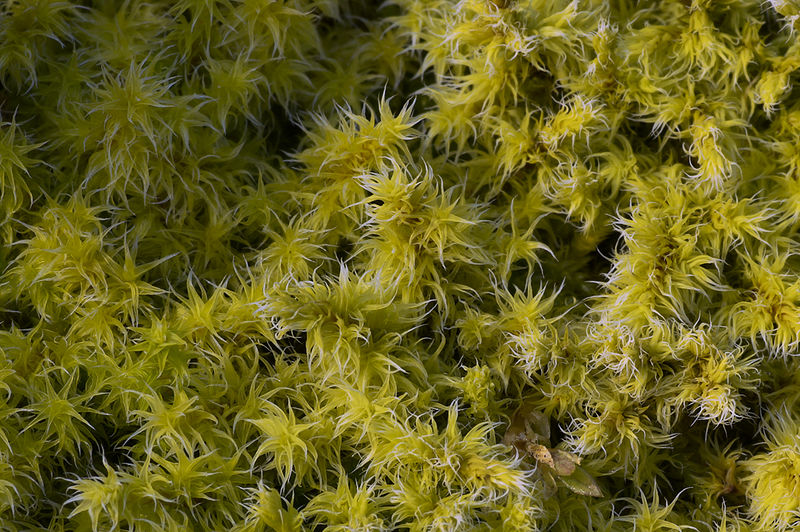
He not only knew the names of all the mosses, but the stories of the people they were named after.  They were often his friends as well.  He was certainly the Grand Old Man of Mosses and we were privileged to listen to him.  Sadly, he passed away only a few months later.

You can learn much more about the man and his legacy here.

Wilf Schofield – “Bryophytes”

Wilf Schofield – “Bryophytes”
by Heather Harbord, 8 April 2008.

Dr.  Wilf Schofield of the UBC Botany Deptartment at UBC gave a presentation on bryophytes.  We had been trying to get him as a speaker for a couple of years but this time he made it.

If you ever wondered about the moss and lichen family, Dr. Schofield had all the answers.  He wrote the definitive Royal BC Museum handbook Some Common Mosses of British Columbia (1992), as well as the Field Guide to liverwort Genera of Pacific North America (2002), and the Introduction to Bryology (1985), together with a long list of scientific papers.

He brought specimens and a microscope to show us the details of these fascinating plants.Unfortunately Wilf passed away just a few months after he spoke to us, but we were grateful for the opportunity to have met him.   You can learn more about the life and times of this impressive man here.

Showing off to the Comox Naturalists

Showing off to the Comox Naturalists
by Heather Harbord, 16 March 2008. 

A group of Comox Valley Naturalists walked on the first ferry to Powell River (arriving here 7.50am) clutching their lunches, water and birding paraphernalia.

We met them and drove them around before putting them on the 5.15 ferry back.

This was a fun way to get to know people from the “other side”.

Nikki Wright – “Eelgrass”

Nikki Wright – “Eelgrass”
by Sherri Wretham, March 13, 2008.

Nikki Wright is Executive Director of the non-profit SeaChange Marine Conservation Society, which designs and delivers programs focused on community based environmental monitoring, restoration, management and education.

Nikki spoke about the importance, ecology and management of eelgrass communities, which are important for all manner of creatures.

Including us!

Morgan Black – “Bats”

Morgan Black – “Bats”
by Heather Harbord, February 21, 2008.

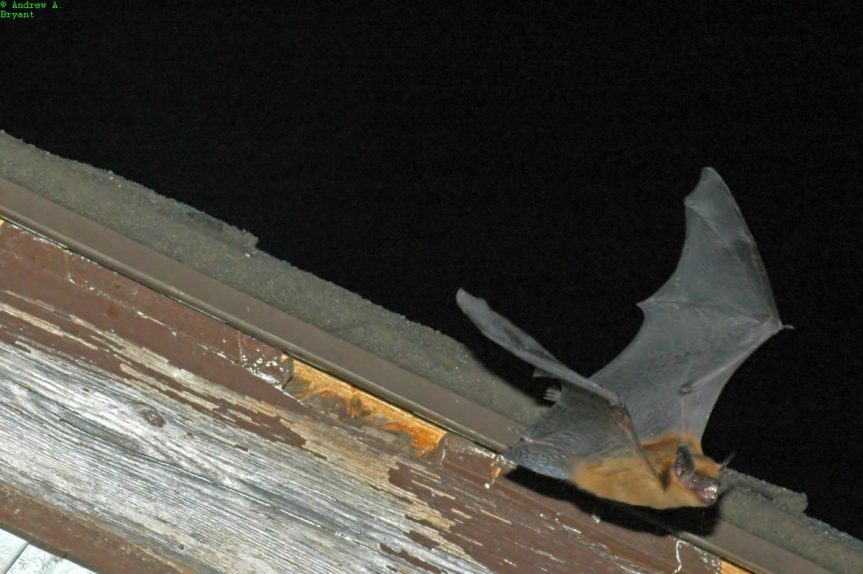
Morgan Black talked about Bats.  A nature lover since she could walk, at university she focused on biology, ecology and zoology.  Her undergraduate thesis project was on bats, specifically their habitat requirements in our climate.  Bats have become near and dear to Morgan, so she had begun volunteering her time giving lecture and presentations on building artificial bat habitat.

Morgan believes that public involvement and education is crucial to conserving nature.  Her goal is to spread the word for bat conservation in a way that inspires public interest and stewardship.   She shared numerous plans for building bat boxes, which can be found here.


Ernie Sellentin – “Invasive Plants”

Ernie Sellentin – “Invasive Plants”
by Sherri Wretham, January 24, 2008.

Ernie Sellentin is Project Coordinator of the Coastal Invasive Plant Committee, a registered non-profit society.

Ernie’s talk focused on invasive plant species typical of our area, such as the Giant hogweed (Heracleum mantegazzianum), Scotch broom (Sarothamnus scoparius), Himalayan blackberry (Rubus armeniacus), and numerous others such as Japanese knotweed (Fallopia japonica) or garlic mustard (Alliaria petiolata).

Ernie stressed the need for landowners to become more knowledgeable about the invaders in our area.  Prevention is cure!   He spoke about the steps needed, and being undertaken, to prevent, eradicate, contain or control particular species given the level of existing colonization and the efficacy of various management methods.

The Powell River Peak has offered more insight here and here

Bird houses and feeders

Bird houses and feeders
by Janet Southcott, 19 January 2008. 

The Young Naturalists met at the Willingdon Beach Campground picnic area to learn about, and build, bird boxes and bird feeders.

It was fun for all ages as parents helped their youngsters with their projects.

Audubon Christmas Bird Count – 2007

Audubon Christmas Bird Count – 2007
by Heather Harbord, 27 December 2007. 

Members participated in the Audubon Christmas Bird Count, followed by a potluck luncheon at Sherri’s house. This was a species count only and emphasised the fun of learning to identify birds in a relaxed atmosphere for a limited amount of time. Some members met at Willingdon Beach at 8am and divided into groups that covered Saltery Bay to Lund, Texada, Harwood and Savary islands. Others sat at home watching their feeders.

Unfortunately, it was a snowy, windy and generally nasty day so we only counted 45 species.  However, more were added till we had 70 by New Year’s. In 2006 we counted only 41 species.
Michael Jackson – “Wetlands”

Michael Jackson – “Wetlands”
by Heather Harbord, November 22, 2007.

Dr.  Jackson is a limnologist with extensive expertise in freshwater ecology and a particular interest in invertebrate communities.  He is part of the the Acroloxus Wetlands Consultancy.

Michael spoke on the broad range of his work, which has included studies of mosquitoes/West Nile Virus, sticklebacks on Texada Island, and the biological effects of toxic contaminants contained in anti-fouling paints applied to your boat!

Judy Watts – “Arctic and wildflowers”

Judy Watts – “Arctic and wildflowers”
by Heather Harbord, October 26, 2007.

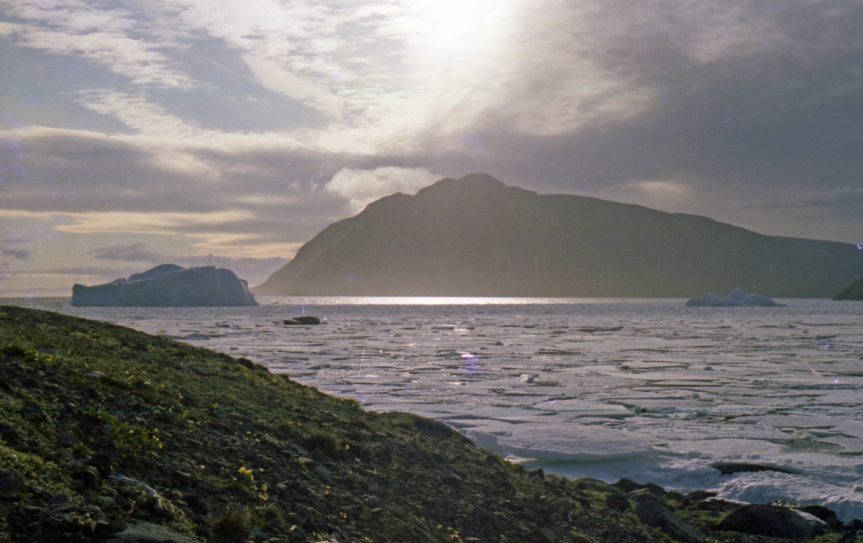
 Judy is a former nurse and administrator who spent 11 years working in the North for the territorial government before moving to Powell River.  She gave an inspiring talk about life in the arctic, particularly the wonderful wildflowers to be found there.

The Powell River Peak published a nice article about Judy, which can be found here.

Terry Taylor – “Mushrooms”

Terry Taylor – “Mushrooms”
by Heather Harbord, September 27, 2007.  

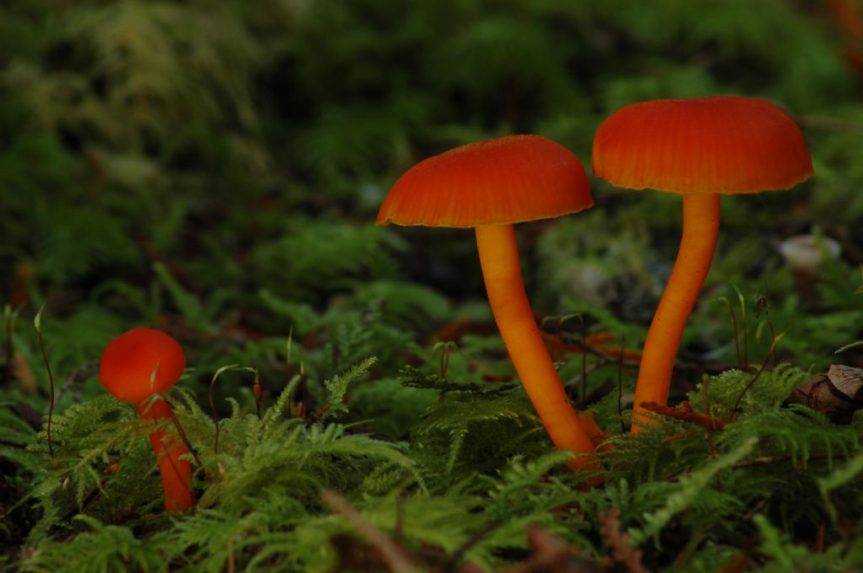
Terry Taylor has studied the ecology and flora, including the mushrooms and mosses of southern British Columbia, for several decades.  Terry is a member of Nature Vancouver,  the Native Plant Society of BC and the Vancouver Mycological Society.

His talk concerned identification, taxonomy,  and even the infamous Piltdown mushroom, which you can learn more about at his personal blog located here.


Toba Inlet

Toba Inlet
by Heather Harbord, 30 June – 1 July 2007.

To reach Toba Inlet you have to sail through Desolation Sound, so the trip is a two for one.

The Misty Isles is a wonderful vessel as long as you are able to negotiate steep stairs and obstacles on deck.  Some adventurous souls on our trip learned how to get out onto the bowsprit where they stretched out prone for a nap.  Captain Mike Moore, a veteran of 11 years in the Arctic as a Coast Guard Navigation Officer, is very experienced and knowledgeable about the area and stops at every pictograph.

The first day we sailed past Prideaux Haven, the popular anchorage in Desolation Sound, and proceeded up Homfray Channel.  We poked the bow of the boat under the big waterfall at the entrance to Toba Inlet and soaked a few people.  Then we went up to Racine Creek which has a spectacular double waterfall and more people got wet.  On the way back to Pryce Channel we got some wonderful views of the mountains above Forbes Bay.

We disembarked at Toba Wildernest Resort, we had an incredible view from there too.  As supper was prepared, some people climbed the steep trail to the waterfall above.  Our supper of BBQ teriyaki salmon, cooked by the captain, was superb.  He has many talents.

Two of us camped on the lawn where we had ring side seats of the full moon. The rest enjoyed the bunk beds and showers in the comfortable rustic cabins, some with 4 beds to a room.  The trip was sold out by mid March.  The two days aboard ship and one night at Toba Wildernest cost (including GST) was $305 per person in cabin accommodations (for 10) and $280 per person for campers.