Jackie Hildering – “Lessons learned from killer whales”

A Mother Hunting T140 in pursuit of a Pacific White-Sided Dolphin. Mammal-eating Killer Whales diverged from other populations ~700,000 years ago. ©Jackie Hildering; themarinedetective.ca
“A Mother Hunting” – T140 in pursuit of a Pacific White-Sided Dolphin.
– Jackie Hildering

Jackie Hildering – “Lessons learned from killer whales”
by Andrew Bryant, 2 Nov 2018.

Jackie Hildering (aka “the Marine Detective“) of the Marine Education and Research Society packed the Senior’s Centre with her dynamic talk about orcas, and how they’ve changed us.

With a mixture of history, science and irony, Jackie delivered a powerful talk indeed.

I was astounded to learn, for example, that the U.S. Navy sent pilots out to attack orcas with depth charges and gunfire in 1955, austensibly to aid the local Icelandic fishermen.  Nor was I aware that both “transient” and “resident” descriptors are misnomers; the terms “inshore mammal-eating” and “inshore chinookaholics” more accurately reflect what these populations actually eat and how they behave.  The “offshore” orcas with their ground-down teeth are a different matter – they eat sharks.

Much of Jackie’s talk was disheartening.  Orcas are in big trouble, and as with so many other ecological problems, it’s not just one thing.  Persistent chemicals, noise pollution, declining food resources, tourism, and other factors.  In short, Orcinus orca is suffering a “perfect storm” of issues.  So while there’s some good news – human attitudes have changed swiftly and dramatically over the course of only a few decades – the question remains:

Have they changed enough?

.


Bird watching with Clyde

Bird watching with Clyde
by Janet May, 28 Oct
.

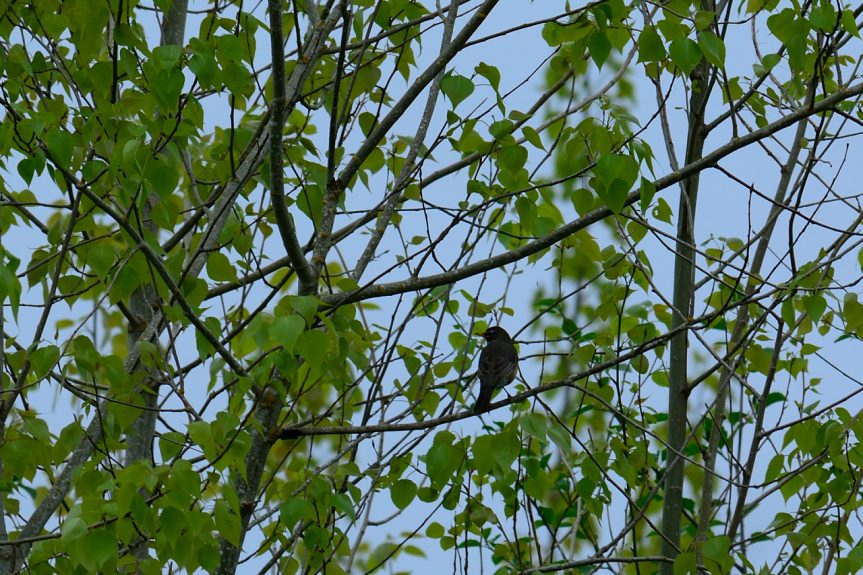
Clyde Burton led Young Naturalist bird enthusiasts to the estuary where we crept up on a dozen killdeer and saw a rare Eurasian widgeon!

Clyde had egg samples for all to feel and a hooded merganser.

As we said goodbye, a kingfisher scolded us and a pair of eagles twittered their approval.


Heather Harbord & Barbara Sherriff – “Heather and Barbara’s Trip to Tuktoyuktut”

Heather Harbord & Barbara Sherriff – “Heather and Barbara’s Trip to Tuktoyuktut”
by Andrew Bryant, 18 Oct 2018.

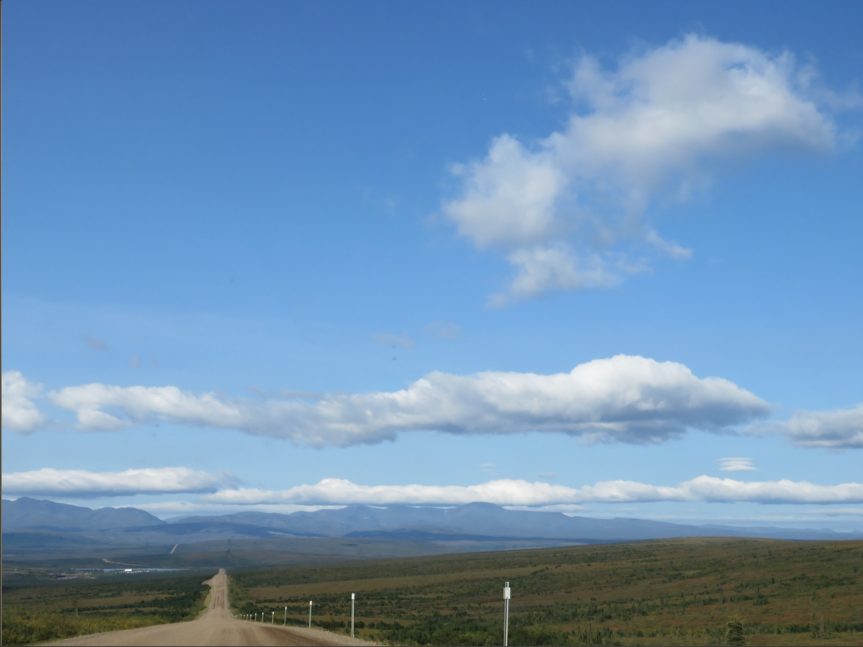
Heather unfortunately couldn’t make it – but Barbara stepped up and gave a marvellous account of their epic trip to Tuktoyaktuk, N.W.T. via the Dempster Highway.

What an adventure!  Barbara was funny, informative, and vivid.  I can only imagine what it would be like to encounter a “road closed” sign under such circumstances.  For me, the best parts were the history of the Gold Rush (now I know what paydirt means), the intricacies of the geology (how the gold got there was really neat), and the technology of extraction (I had no concept of just how laborious and time-consuming a process it was).

The weather was not the best, and there were a few disappointments, but it sure looked like a lot of fun.   We laughed to learn why it’s called “Chicken, Alaska” (because they couldn’t spell “ptarmigan”), the drunken buildings of Dawson City taught us about the problems of building on permafrost, and hey, what’s not to like about a place that has pingos?

Fantastic, wonderful stuff.  I wanna go.


Mushroom Festival at Madeira Park

Mushroom Festival at Madeira Park
by Michael Stewart, 13 Oct
.

It was a beautiful morning as we travelled by ferry to Earls Cove.

From there, we went to the southern area of Pender Harbour and had a short but amazing hike along the ocean in Francis Point Provincial Park.  We did some bird watching and found a few mushrooms in this wonderful park.

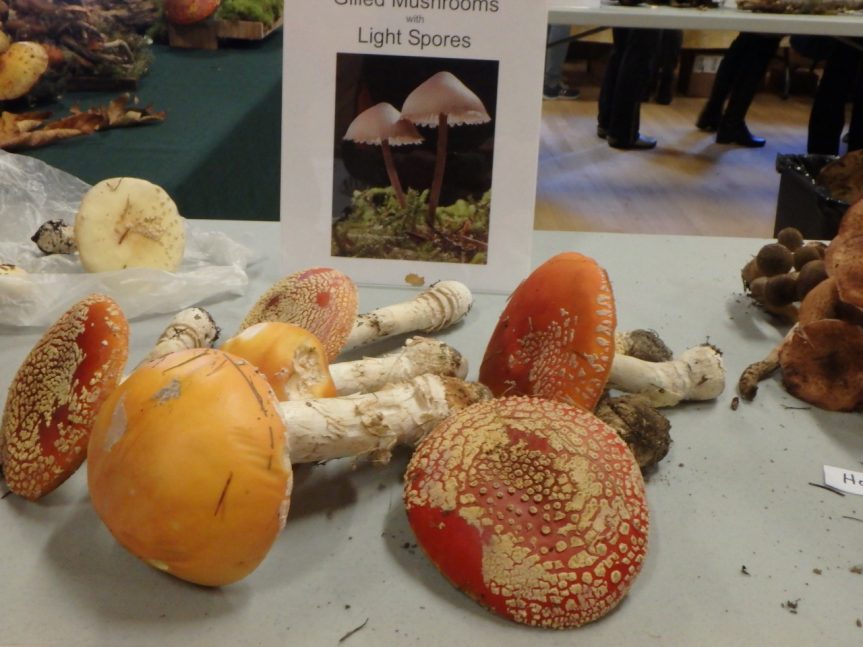
Next we went to Madeira Park to attend the mushroom festival.  Besides the display of about 100 species of local mushrooms with Duane Sept in attendance, there was a demonstration of dying wool with mushrooms, several cooking demonstrations with trial samples, and a variety of vendors.

After a leisurely snack sitting in the sun of a local cafe, we explored a couple of other areas by car including Egmont.  We then returned by ferry to Saltery Bay.

the Club – “Highlights of 2017-18”

the Club – “Highlights of 2017-18”
by Andrew Bryant, 20 Sept 2018.

We tried something a bit different for our AGM this year.  Rather than kick off the new Malanat-year by bringing in an outside speaker, we thought we’d take the opportuity to reflect on the year that’s been – and what a year it was!

There were a total of 16 field-trips, not to mention the Young Naturalists,and special events like the Christmas Bird Count, Coastal Waterbird Surveys, Seedy Saturday…and more!

Nancy, Tom, David and yours truly provided the commentary as we travelled, vicariously, over some of the terrain we explored over the past year.  There was rather a lot of it.  What was also impressive were some of the statistics.  Doing all this stuff required a lot of time, effort and attention.

It was a good reminder…it takes work to build a club!


Alpine Adventure – Take 20

Alpine Adventure – Take 20
by Tom Koleszar, 18 August 2018
.

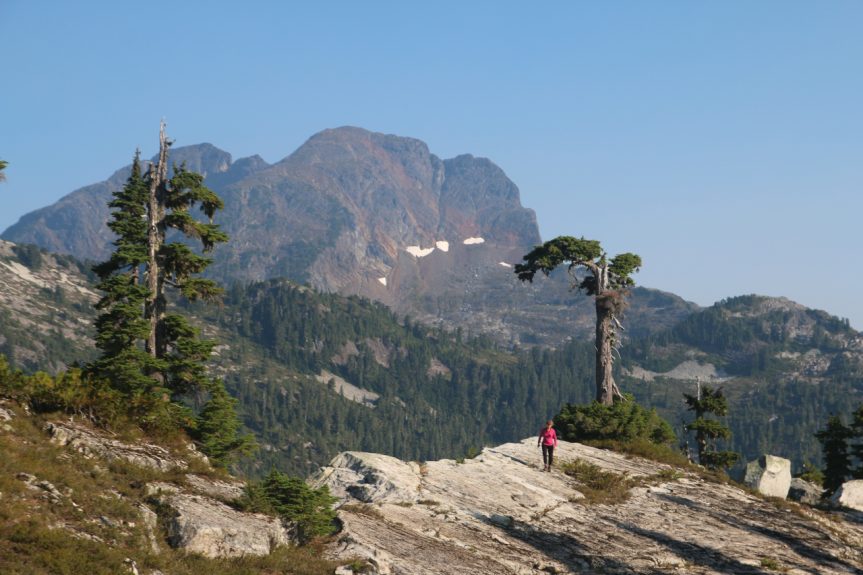
Twenty of us recently enjoyed a helicopter trip into our local alpine country.  Flying from the airport and from a staging area near Goat Lake, we spent the day on a ridge top between Diane and Joan Lakes, near Mt Baldy.  It was a great day as we were able to find a window of wonderful weather amidst all the forest fire smoke we’ve been having!

We spent the day exploring the ridge, enjoying the views, and sampling the blueberries (they were everywhere!). After everyone arrived on the ridge top, we spent the rest of the morning on a tour of the area learning about the geology, geography, shrubs, and trees, though we were a bit late for most of the wildflowers (there was some saxifrage, but most others were already done).

The ridge itself and the surrounding mountains provided excellent examples of the geology, including Coast Plutonic Complex diorites along with Gambier and Vancouver Group volcanic and sedimentary rocks.  Lichens and mosses were common, as were heathers, different kinds of blueberries, and rhododendrons in areas with a bit more soil.  It was obvious that the trees up there have a very hard life, but we identified lots of Mountain Hemlock and Yellow Cedar (some very old!), along with a few Subalpine Fir and an occasional Mountain Ash!

After lunch, we had some free time to explore as we wished, or just relax and enjoy a beautiful alpine day.  Our group included everyone from experienced local climbers remembering past days all the way to those seeing our alpine areas for the first time, and I think a great time was had by all!

Special thanks go to Nancy Pezel for helping with the trip, our drivers who took folks to the staging area over many kilometers of dusty roads (John Pezel, Lee Edmunds, Nancy Pezel and Simon Goede), and also to Pilot James Mode of Oceanview Helicopters for safe flying and interesting tours!

Elephant Lake old-growth

Elephant Lake old-growth
by Lois Bridger, 28 July 2018
.

Getting to the old-growth took some doing!

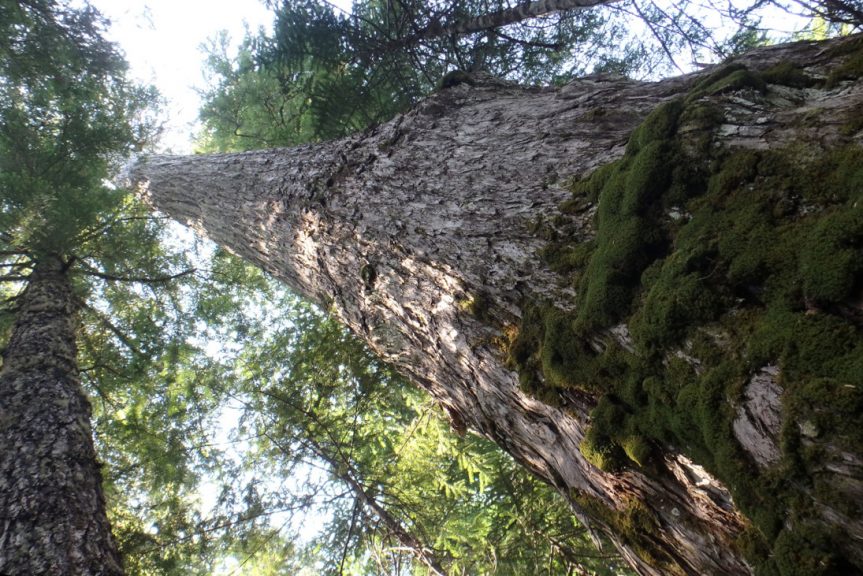
There were 29 of us in a convoy of vehicles driving up to an elevation of 900 metres.  Nancy and Tom led the hike along part of the Sunshine Coast Trail.  We were fortunate to also have a few knowledgeable foresters along on the hike who were happy to provide us with additional information.  We also had some visitors from Alberta and Iceland and crossed paths with some happy Sunshine Coast Trail hikers from Penticton.

We stopped at various locations as Nancy pointed out the various old-growth trees found at this elevation.  With tape measure in hand we measured a particularly large Yellow Cedar and estimated it’s age at 1500 years.  At higher elevation trees don’t grow at the same rate as they do lower down.  We learned about Sika Alders, Mountain Hemlock, Western White Pine and Pacific Silver Fir to name a few.  We saw some unusually large bracket fungi.

We paused for lunch at a flat estuary on the shore of Elephant Lake with great views of one the few remaining high elevation old-growth forests in this area.  As we dined several colourful dragonflies provided an aerial display.  In the shallows close to shore we discovered some rough-skinned newts and were entertained by their response to us.  When feeling threatened they twirl over and over displaying their bright orange underbelly.

On our return journey we took a different route offering some fantastic, albeit hazy, views of the Saltery Bay area.  A great end to a wonderful outing.

Desolation Sound

Desolation Sound
by Andrew Bryant, 28 June 2018
.

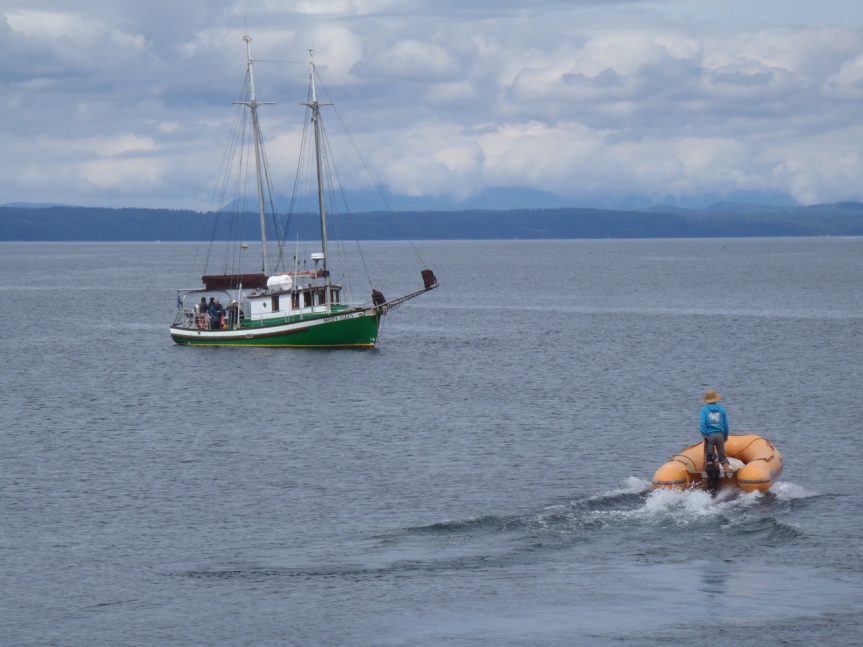
After our traditional pit-stop at Nancy’s Bakery, nine of us boarded the Misty Isles in Lund for a cruise up Desolation Sound.

Ably skippered by Jonas and deck-handled by Karie, we travelled north on the lee side of the Copeland Islands.  We mostly ignored the impressive big-money homes at “Bliss Bay”.  Instead we focussed on pictographs, marbled murrelets and that wonderful little island that, at least aboard the Misty Isles crew, has come to be known as “Littlenatch”.

Ooh ya.  Harbour seals, Pigeon Guillemots, Marbled Murrelets, apparently a few nesting Glaucus-winged Gulls, oystercatchers, assorted shorebirds, and some evidence of recovery from the sea-star “wasting” event of 2014.

We dropped anchor and lunched at the “slot” before entering Homfray Sound and Desolation Sound Marine Park.  Hopes of great views of Mt. Denman were dashed by the weather.  Oh well.   We then proceeded SW to Refuge Cove, where we endulged in some local shopping and local snooping…

All in all?  Another great day out.

P.S: Special thanks to Heather Harbord (coordinator) and Mike Moore (Misty Isles) who generously refunded payments to 3 of our members who couldn’t make this trip.  Thank you!

Courtenay Museum and Trent River Fossil Hunt

Courtenay Museum and Trent River Fossil Hunt
by Nancy Pezel, 9 June 2018
.

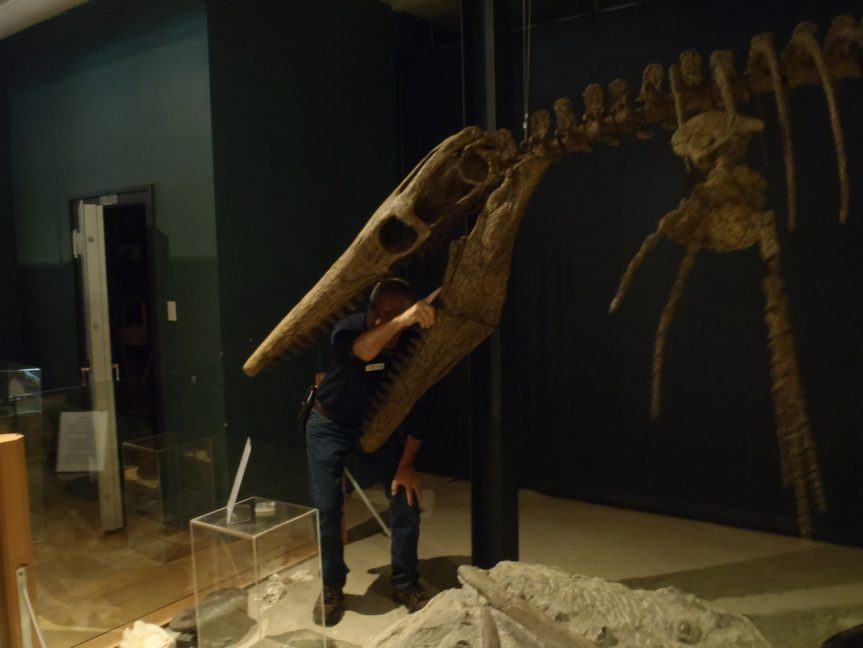
After enjoying coffees and conversations on the ferry trip to Comox, our group of 12 members met Pat Trask at the Courtenay and District Museum and Palaeontological Centre for a tour and up-close look at some of the fossils and dinosaur reproductions Pat showcased during his presentation.

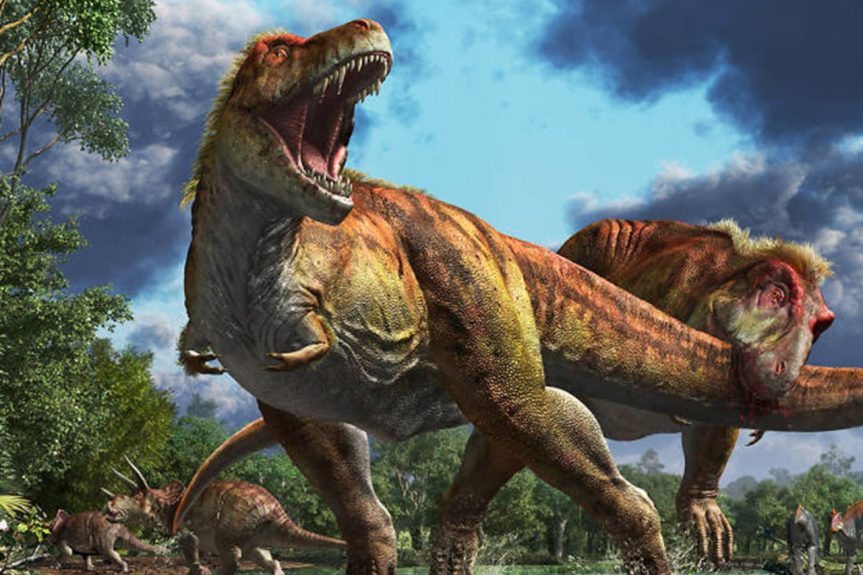
Many of these prehistoric marine reptiles were first discovered in the Comox Valley!  Although many of the bones and fossils found on Vancouver Island are stored in the basement of the museum, the skeletal reproductions are based on those finds as well as comparisons made of dinosaurs found elsewhere in Canada and around the world.  These were some very dangerous looking creatures!

After getting inspired by what we could find, we met at the Trent River and walked down to the banks of the river with safety glasses, chisels and hammers.  After getting some instructions from Pat and his student, we picked away at the loose sedimentary deposits for an hour before a torrential rain descended upon us.

A few members of our group were lucky enough to find some small fossilized shells embedded in the shale.  After a stop across the street from the museum for coffee and treats, we returned to watch an interesting video about the life of a plesiosaur, before heading back to the ferry.

It was a good day and we were not discouraged by the weather or lack of making the next big dinosaur discovery.  We now know where to look next time we are on the island!!

Pat Trask – “Dinosaurs of Vancouver Island”

Pat Trask – “Dinosaurs of Vancouver Island”
by Nancy Pezel, 7 June 2018.

Pat’s interest in marine dinosaurs was sparked when his brother Mike (and 12 year-old daughter Heather) discovered a near complete skeleton of an 80 million year old long-necked plesiosaur.  It’s called Elasmosaurus.

The new specimen made a big splash in scientific circles.  Just as it no doubt did in real life!

Pat was hired by the Courtenay and District Museum and Palaeontological Centre some 26 years ago as an interpreter of palaeontology and geology.  He’s now Curator of Natural History there.

During his presentation, Pat described how Vancouver island (including Powell River) was born volcanically underwater about 350-400 million years ago out in the middle of the Pacific Ocean possibly up to 15 degrees below the equator.  Since that time the island has moved northward on the Pacific Plate to crash into North America and create the topography that we see today.  A vast inland sea split North America for thousands of years depositing layers of marine sediments.

A fossil bed from the late Cretaceous period that extends from Campbell River to Duncan contains the remains of giant marine reptiles, like the elasmosaur, and other creatures that swam the seas around Vancouver Island.  Even on Texada Island, 80 million year old sea shells that look like they were washed ashore yesterday have been found 300 m above the current tideline.

Pat’s enthusiasm for his subject was contagious and those members going to Courtenay on the field trip the following Saturday were looking forward to making their own dinosaur discoveries!

P.S: You can learn more about the 1988 elasmosaurus discovery here

Mitlenatch Island trip

Mitlenatch Island trip
by Winnie Ferrier, 2 June 2018
.

On Saturday twelve of us carpooled to Lund to begin an awesome adventure.   We were greeted by Skipper Mike Moore, and then shuttled by zodiac to the Misty Isles, already moored in Finn Bay.

There we were welcomed aboard by Jonas who is skipper-in-training, and Karie, their crew member.  We set off towards Mitlenach under cloudy skies and a cool temperature but Mike pointed out to us that there was a patch of blue sky over our destination and was confident that we would have sunshine.  While we were underway Mike gave us both a geographical and historical lesson of the islands that we were cruising past.

While we were anchoring we witnessed an exciting display of several California sea lions porpoising out of the water in succession. There were exclamations of excitement and cameras were quickly pulled out.

We were divided into two groups, with six participants being taken ashore with Karie for a walkabout on the island and six of us going with Mike and Jonas in the zodiac to circle the island by water.  As it was mating season there was an abundance of harbor seals, and both California and Stellar sea lions for us to view.  We saw large groups basking on the rocks and as we continued around a corner we were witness to about 50 juvenile male California sea lions tussling with each other, pushing their competitors off of the bluffs and into the water.  Our trip continued with Mike pointing out marbled murrelets, pigeon guillemots, black oystercatchers, bald eagles and a passing belted kingfisher.  We saw rookeries of pelagic cormorants on cliff faces and the larger double-crested cormorants nesting on the tops of the cliffs.

Our turn ashore started with Mike picking up from the shallow water a beautiful moon snail with its body, including its siphon, exposed for us to see.  We had a pleasant stroll with Karie along the assigned island paths, looking at numerous wildflowers along the way.  Amongst them were purple brodiaea, blossoms of wild onions and a gorgeous yellow bloom of a prickly pear cactus.  The most prevalent was the wild tiger lily which was scattered amongst the high grasses and along the edges of our pathways.  The sunshine, which Mike had promised, exemplified their beautiful colours.  We had the opportunity to climb up to a bird blind and watch mating glaucous winged seagulls.  Nature in action!  After a short visit to the cabin of the volunteering stewards of the island we returned to the shore where we were all again deposited back on Misty Isles.

On the return trip to Lund Mike had more stories and history to share and we were all treated to chai tea and Mike’s wife, Samantha’s delicious home made cookies.

Hernando Reef trip

Hernando Reef trip
by Cindy Dalcourt, 18 May 2018
.

Arriving early in Lund, most of us treated ourselves at Nancy’s Bakery before boarding the Misty Isles.

Enjoying the bright sunshine and calm water we were off to a good start, made even better when an Orca passed us by shortly after leaving the harbour.  On the way to the reef captain Mike and Rick Harbo (the previous night’s speaker) gave us information and answered our questions.

It was a short crossing and we anchored just offshore while we waited for the tide to get to it’s lowest point so we could go ashore.  Waiting on the boat we were surrounded by Harbour Porpoises, a few coming so close we could see and hear them breathe.  It was also the perfect place to watch the many Eagles in the sky and on the rocks.

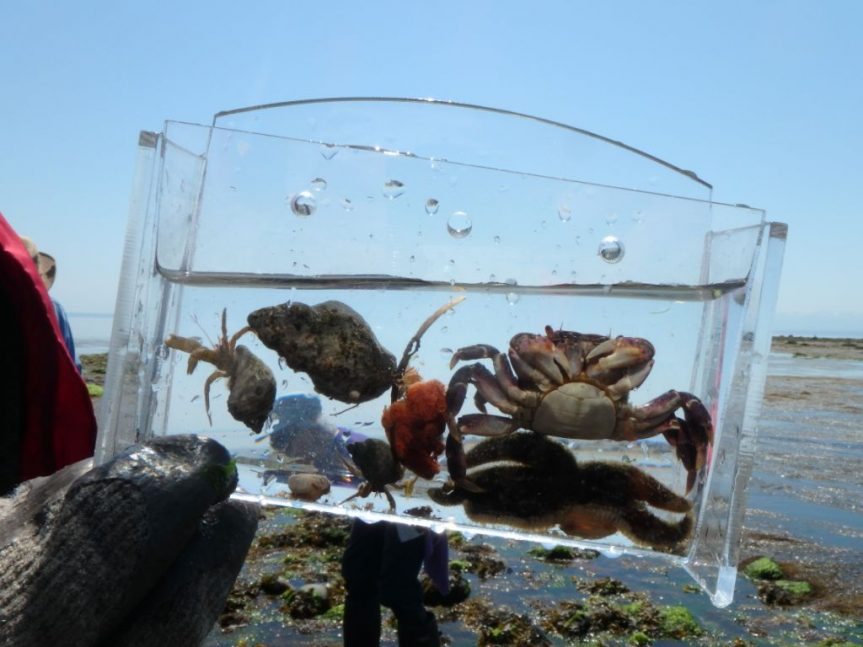
In time we took the zodiac to shore where we spend the next few hours turning over rocks and bringing what we found to Rick who was a wealth of knowledge.  He had a plastic viewing box that we could drop in whatever we found and then we could see it close up from different angles.  We saw many different kinds of starfish, sea snails, jellyfish, crabs, midshipmen and so much more.

Across the reef from us on the Vancouver Island side we were just able to make out a pod of Orcas that the whale watching boats were surrounding.  They were there for at least an hour, but unfortunately just a little to far away to see clearly.  There was a little excitement when suddenly rows of seals started to swim towards us from further down the beach. Rick mentioned that the Orca’s were transient and therefore meat eaters so maybe the seals were being cautious.

When it was time to leave we passed a sleeping sea lion floating in the water.  His bark let us know he was not too happy to have been woken up.  As we still had some time left Mike took us on a tour of the Copeland Islands, heading back into Lund just as the long weekend boat traffic starting to pick up.

Rick Harbo – “Tails of the midshipman”

Rick Harbo – “Tails of the midshipman”
by Andrew Bryant, 17 May 2018.

After 36 years with Fisheries and Oceans Canada…well the word “retired” doesn’t seem to describe Rick very well at all!

Author of numerous books including  Shells and Shellfish of the Pacific NorthwestWhales to Whelks and Nudibranchs of the Pacific Northwest, Rick also served as a member of the abalone recovery team, sea otter recovery team and Mollusc subcommittee of the Committee on the Status of Endangered Wildlife in Canada (COSEWIC).  He’s now a “citizen scientist” and volunteer Research Associate at the Royal B.C. Museum.

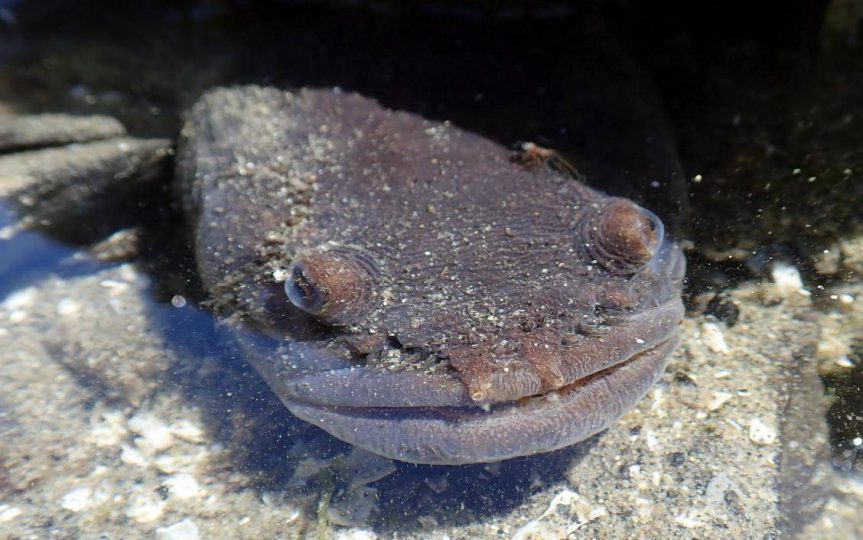
After a delightful introduction concerning early explorers, taxonomists and why you might not want to have a species named after you, Rick focussed upon those really cool fish that biologists know as Plainfin Midshipmen (Porichthys notatus).

A fish that sings?  Really?
A fish that sings so loud that it can scare people?

Yup.  You heard that right.

Spring Wildflowers

Spring Wildflowers
by Nancy Pezel, 12 May 2018
.

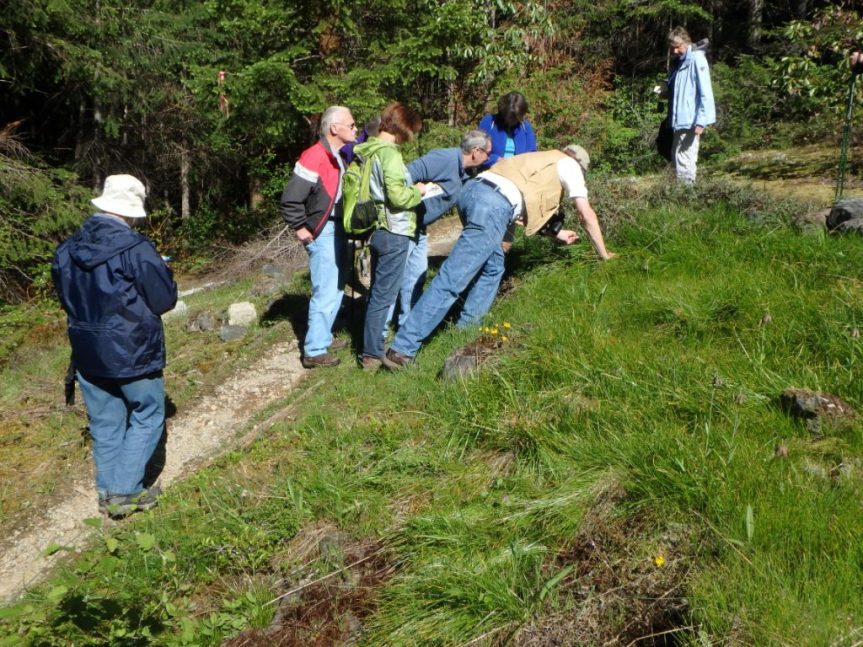
The weather was perfect for our group of 12 members to enjoy a lovely walk searching for spring wildflowers.

David Bedry led the group down the Browne Creek Trail to Dinner Rock Bluffs and the campground.

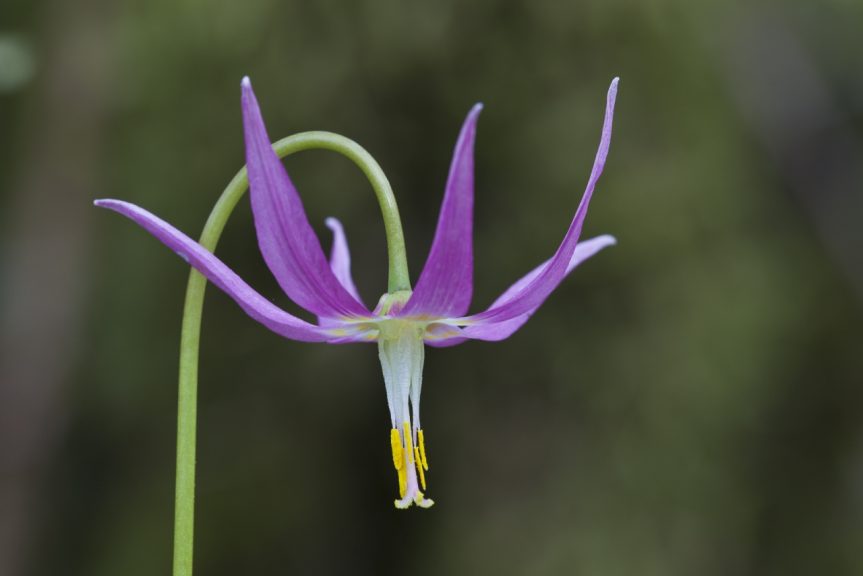
Along the sunnier edges of the forest we saw Pacific dogwood and Saskatoon berry in bloom.  Sally spotted some striped coralroot as well.  Death Camas were just beginning to flower in some of the grassy openings, while the Monkey flowers and chocolate lilies were in full bloom.  Nodding onions provided a culinary treat.

Carpets of sea blush dotted the tops of the bluffs as we got closer to the ocean.
And we sure enjoyed those ocean views!

Water Dragons!

Water Dragons!
by Janet May, 12 
May 2018.

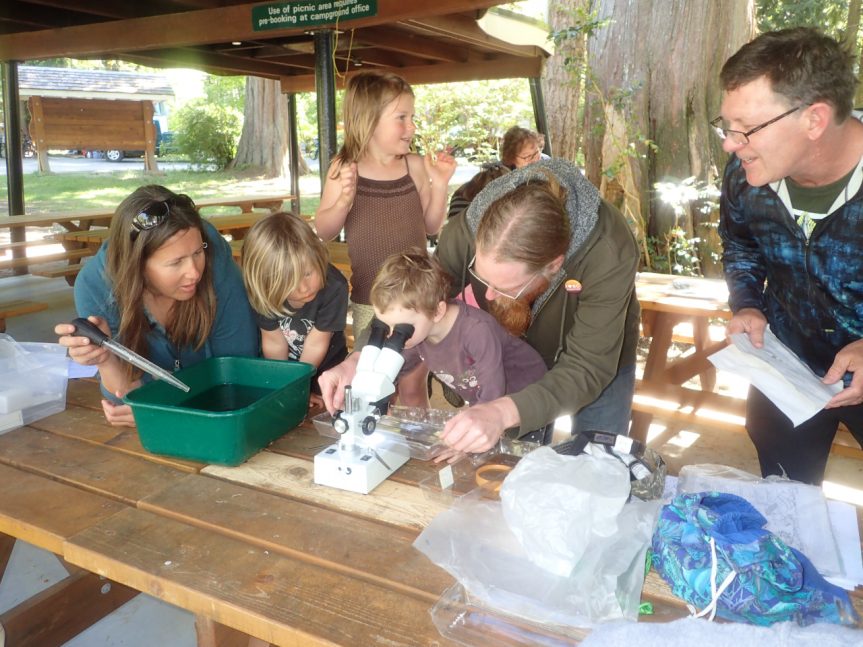
Stream biologist Alan Hobson showed the Young Naturalists how to find and identify stream invertebrates.

We peaked through the microscope at the mayfly’s tiny translucent body and her earnest black eyes watched us right back.

We learned that delicate dragons live in Willingdon Creek.


Birding by Ear – Part VIII

Birding by Ear – Part VIII
by Andrew Bryant, 28 April 2018
.

Pierre Geoffray and I led a cosy group of 7 members to learn more about “birding by ear” at Wildwood Bluffs…and this year we had our work cut out for us!

It was, in a word, QUIET.

We began by walking along the newly-widened roads along the recently-sold “Block 55”.   What a difference a year makes!  Gone were the young forests filled with early-spring migrants such as Wilson’s and Orange-Crowned Warblers.  Indeed, we saw about about as many pieces of heavy equipment as we did birds.

Things improved a bit as we got off the road and hit the bluffs proper.  Hutton’s and Cassin’s Vireo, Yellow-rumped Warblers, and even my first Turkey Vultures of the year.  The walk back up the hill was also quiet, indeed, strangely so.

Pierre, ever the patient observer, kept an E-bird list which can be seen here.  Which illustrates two time-honored principles of field biology:
1) You always see more than you remember, when you record observations in the field, and
2) If you don’t record something, well in the end, it never happened

And if you don’t get out at all, well, enjoy the photos!


Geology of the Dodd Lake – Horseshoe Lake area

Geology of the Dodd Lake – Horseshoe Lake area
by Nancy Pezel, 21 April 2018
.

Tom Koleszar and Barbara Sherriff led an enthusiastic group of 26 members on a trip to learn about the geology of the local area.

Along with some great views at our first stop, Tom gave us a brief history of glaciation in the area.  We learned that a kilometre of ice covered the area some 12-13,000 years ago.  As the ice receded glacial streams flowed down the lower slopes and valleys, layering the rounded sediments.  These sediments are exposed nicely at the gravel pit at 12 Mile on the Goat Main.

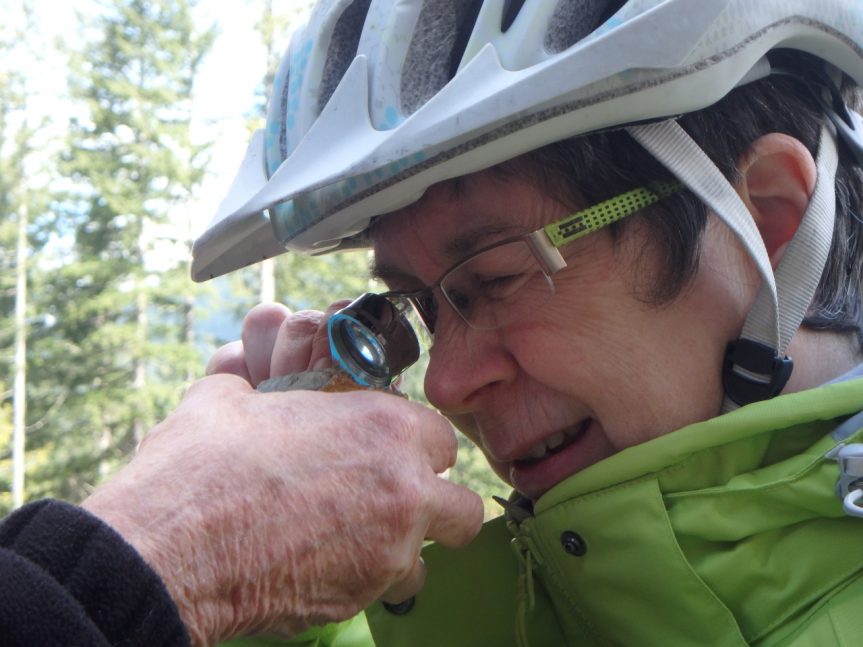
On Beaver Main we stopped at an exposed rock cut and Barbara explained the processes of mineralization.  Who knew that rotten rock is a good thing?  Donning hard hats, we were left for a bit to prospect for pyrite, chalcopyrite, Molybdenum, and other minerals.  Unfortunately no one found any gold!

We then drove further up the road to Little Horseshoe campsite where we enjoyed our lunches and warmed up around David Bedry’s campfire and the sunny dock.  Barbara told us about physically staking mineral claims the old-fashioned way, as well as the new digital “click of a mouse” method on the BC government website.

After a short walk down the road, Barbara explained about plutons and fractures and we saw swarms of hydrothermal dykes of varying colours (and more rotten rock!) before we headed back home with our treasures.

Donna Moseanko – “Wildwood Queens”

Donna Moseanko – “Wildwood Queens”
by Michael Stewart, 19 Apr 2018.

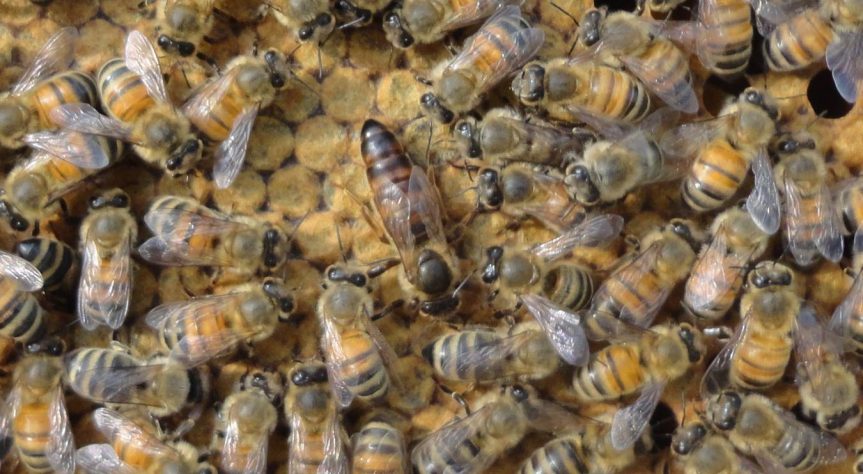
Donna Moseanko of “Wildwood Queens” gave a fascinating talk on the life of bees and their importance in our ecosystems.

Donna became interested in bees after being mesmerized by a swarm at her bee keeping father’s home. After learning about keeping bees from him and then other beekeepers, she started “Wildwood Queens” here in Powell River.   She’s just completed her Beemasters course at UBC.

Donna described to us the life cycles and functions of the different members of a hive from the babies to the Queen.  She even enacted the emergence of a baby bee from its cell.  The amazing communications of bees was also described.

One of Donna’s main goals is to raise healthy queens.  One of the techniques she uses is instrumental insemination and she described how this is done.

Donna is fervent about the role of bees in our ecosystems and how to nurture bee populations.

Young Nats build bird houses

Young Nats build bird houses
by Janet May, 31 
Mar 2018.

It sounded like Santa’s workshop at Willingdon campsite when Young Naturalists hammered together, and it was all for the birds.

Thank you to David Bedry for cutting pieces and teaching us how to construct seventeen new homes for spring families.

Thanks also to Pat Hull and RONA Powell River Building Supplies for donating the wood and nails – we appreciate it!


Princess Louisa Inlet & Chatterbox Falls

Princess Louisa Inlet & Chatterbox Falls
by Lu Wuthrich, 24 Mar 2018. 

Eleven Naturalists headed up Jervis Inlet to Princess Louisa Inlet and Chatterbox Falls.  It was an amazing spring day and the views of the snowcapped peaks, multiple waterfalls and granite cliffs were pretty spectacular.

We meandered up the coast on the Sunshine Coast Tours boat looking at all the falls and pictographs while our tour guide, Cliff, discussed the history of the Inlet, logging practices and First Nations involvement in the area.  There was a great stop at Malibu Camp; we toured the impressive facility in the middle of the stunning wilderness.

The spring run-off had not really started so Chatterbox Falls was not at its fullest flow, but the park was deserted and picturesque.

The tour began with a wonderful display of a pod of white sided dolphins swimming around the boat and ended with a beautiful very low arched rainbow off the stern as we zoomed home after a great day.

Thanks to Cindy Dalcourt for coordinating this!

Seedy Saturday 2018

Seedy Saturday 2018
by Andrew Bryant, 17
 Mar 2018.

As per normal, the club arranged a table at the local “Seedy Saturday”… that marvellous and most-welcome harbinger of spring!

Thanks to Lu Wuthrich for organizing it, and all who came out to help – and see you next year!


George Sirk – “The Raw, the Bleak and the Wonderful…the Vibrant Arctic”

George Sirk – “The Raw, the Bleak and the Wonderful…the Vibrant Arctic”
by Andrew Bryant, 15 Mar 2018.

Life-long naturalist, tropical specialist, guide, politicianbroadcaster and raconteur, George Sirk is one of those rare individuals who’s just really hard to classify.

Getting his start as a BC Parks Branch naturalist on Mitlenatch Island, George’s career has taken him from Papua New Guinea to Costa Rica, and from Baja California to the subject of this talk – his travels through the fantastic Canadian High Arctic (with a quick stop or two in Greenland…George isn’t one to sit still).

Interspersing wonderful images with his delightful sketches, George literally took us along with him as he variously marvelled, gawked, meditated, ate and experienced that part of the world that few will ever get to see.

I rather suspect that none of us would see it quite the same way he does!

Five Stars.

Heather Harbord – “Epic Antarctica”

Heather Harbord – “Epic Antarctica”
by Andrew Bryant, 22 Feb 2018.

A scheduled speaker’s non-appearance threatened doom – until quick-witted Heather Harbord decided to take us all out instead – to Antarctica!

So.  After a short pause, all went swimmingly well.  Penguins, orcas,  ice.  More penguins, more ice, and then, alas…
the dreaded technical glitch…

So we only got to see a portion of her slides.  Heather, of course is a trooper who’s experienced such things before, so she gamely carried on, regaling us with her alternatively funny, poignant, and just just amazing tales.
A quarter of a million pairs of penguins – seriously?

Enjoy!

Mark Sloan – “What can stable isotopes tell us about the decline of Marbled Murrelets?”

Mark Sloan – “What can stable isotopes tell us about the decline of Marbled Murrelets?”
by Andrew Bryant, 25 Jan 2018.

Mark Sloan now works as  a “First Nations Relations Advisor” for the BC Government, but once upon a time he spent his days (and nights) capturing Marbled Murrelets at sea – for science!

These delightful robin-sized seabirds are noteworthy for a bunch or reasons.  Most of their population is found in B.C. (although they range from Californa to Alaska), where they’re considered “threatened” or “endangered”.  Most unusually, these seabirds nest in trees – specifically in big, tall trees typically associated with coastal old-growth forests.

Here in Powell River, we typically see murrelets in winter plumage, and rarely see them in their far more drab, brown breeding plumage.  Indeed, for decades their breeding habits remained unknown – the first nest was only discovered in 1974 – by a maintenance worker!

Mark’s was definitely a science talk, with hypotheses, statistical tests, graphs and definitions (what is “stable isotope analysisanyway?)
In a nutshell, what Mark’s team was trying to learn was whether breeding success of murrelets could be attributed to “how high on the food chain they were feeding”.  Their full paper is available here, but be forwarned…it’s hefty reading.

What I enjoy most about such talks is that science is indeed very much like a detective story.
Sometimes the data fit one’s hypothesis, the conclusions are straightforward, and all the loose ends get neatly tied up…

…and sometimes, as in this case, they don’t!


Pamela Zevit – “Diversity by Design”

Pamela Zevit – “Diversity by Design”
by Andrew Bryant, 18 Jan 2018.

Pamela Zevit works for the South Coast Conservation Program (SCCP).  Together with her colleage Tamsin Baker, Pamela came to speak to us about one of their latest initiatives – diversity by design.

In a phrase, “diversity by design” refers to habitat restoration – and just like ecosystems, things quickly become complicated.

For example, a species can be listed as endangered under the BC Wildlife Act, or the federal Species at Risk Act (SARA).  There are other “threat-levels” (extirpated, vulnerable, threatened) and designations (e.g., our provincial Red and Blue lists).  Add to that the diversity of species, habitat types, land ownership types and “stakeholders” (stewardship groups, environmental and parks department employees, municipal planners, private landowners and even consultants and developers), and it becomes mind-bending.

Pamela expertly guided us through this maze to outline the following Keys to Successful Habitat Restoration Projects (Guiding Principles):

•  Put protection over restoration
•  Take a long-term view
•  Design for diversity
•  Adopt a socio-ecological approach
•  Apply the best available knowledge
•  Set clear objectives
•  Apply adaptive management
•  Document your results

Pamela and Tamsin also provided a well-stocked display table – all of which is available online – and much of it new to me.
I had no idea there was a Snail Key for the South Coast, for example
(that sure would have come in handy last year on Mitlenatch!)
…and there are many more


Skookumchuk – by boat!

Skookumchuk – by boat!
by Cindy Dalcourt, 7 Jan 2018.

On a rainy Sunday morning just before daylight, 20 naturalists gathered at the Saltery Bay marina to meet captains Bryce of Sunshine Coast Tours and John Dafoe, Coastwise Guide.

Dividing into two boats we made the half hour trip down Jervis Inlet while both captains shared their vast knowledge of the local area.  After stopping near Earls Cove to look at some first nations pictographs we proceeded towards Egmont where we entered the Skookumchuk Narrows (strong or turbulent water in the Chinook language).

The narrows are an unusual geological feature consisting of a narrow opening between the open waters of the Georgia Strait and the large Sechelt Inlet.  It is here that the Sechelt Rapids, the second largest salt water rapids in the world, are created as the tide comes in and out of this small opening.  Over 2 billion litres of saltwater are pulled in everyday and we were there in time to view the maximum flood tide of the winter.

 Our first sight of the rapids were from a little ways off and we could see white water jumping and splashing in the distance.   As we got closer we witnessed the magnificent power of the water as we could actually see the difference in water levels between one side of the rapids and the other.  This was causing waterfalls, boiling tidal currents, standing waves and whirlpools and definitely made my heart beat faster.  Captain Bryce estimated the water to be running at 14+ knots and he somehow managed to hold the boat on course so we could take in the amazing and thrilling sight before us.    After enough viewing, picture and video taking, we put in at Egmont for a short break and exchanged boats with the second group as their boat had a problem.

Our group then made our way slowly back towards Saltery Bay where we were met halfway by our faster original boat.  Our final excitement for the day was transferring from one boat to the other while out on the open water so we could have a quicker ride home.  I’m sure most people will agree that the whole trip delivered more than expected as once again were able to marvel at the wonders of nature.

118th Christmas Bird Count

118th Christmas Bird Count
by Andrew Bryant, 16
 Dec 2017.

 A number of club members participated in the Christmas Bird Count this year – the 14th time we’ve done so!

We had 17 participants, with another dozen who recording birds seen at feeders.   In total, we counted 6021 birds of 88 species.  This is somewhat lower than numbers recorded in previous years, a trend seen in other counts around Georgia Strait.  This we found curious, given that we had a reasonable break in a week-long string of storms.  Results from all our previous counts can be found here.

Highlights?  The Costa’s Hummingbird south of town is a first for Powell River, the Wilson’s Warbler at Wildwood was exceptional, and the large flocks of Ancient Murrelets moving far offshore were impressive.

Thanks to all who came out – and special thanks to Heather Harbord for coordinating it all, and to David Bedry for hosting the wonderful follow-up pot-luck!
Merry Christmas – and see you next year!


Duane Sept – “Wildflowers and edible plants of BC”

Duane Sept – “Wildflowers and edible plants of BC”
by Andrew Bryant, 23 Nov 2017.

Duane came up from Sechelt to talk about wildflowers and other plants – some you can eat, and some you definitately should not!

He’s an accomplished photographer, naturalist and author of an impressive number of natural history guides.  These include titles such as Common Wildflowers of BC, Trees of the Northwest, and Tropical Butterflies of the World.

Organized by habitat type – from seashore Phyllospadix to mountaintop Phlox – Duane used his exceptional photographs to take us on a marvellous tour of botanical splendours.

Interspersed among the images were some fascinating tidbits of trivia.  Having walked through a patch or two of Devil’s Club (Oplopanax horridus) in my day, I had no idea that bears love the stuff.  Dear bears… you can keep it!

I was also unaware that one can make decent beer with stinging nettles (Urtica dioica).  Or that First Nations used rhizomes of the common yellow water lily (Nuphar lutea) to treat tuberculosis and sexually-transmitted diseases…

Amazing stuff!


Sunshine Coast Trail

Sunshine Coast Trail
by Laurette Hamoline, 24 Nov 2017. 

Twelve members of the Malaspina Naturalist’s Club enjoyed another pleasant outing with Duane Sept, our speaker from the previous evening.

We explored a short part of the Sunshine Coast Fairview Bay Trail from the parking lot to Harbour Point.

Along the way we saw several species of fungi including golden chanterelles (Craterellus formosus), winter/funnel chanterelles (Craterellus tubaeformis), bleeding mycena (Mycena haematopus), delicious milk cap (Lactarius deliciosus).

Of course the vistas and the companionship were appreciated as well.

A day at Stillwater Bluffs

A day at Stillwater Bluffs
by Michael Stewart, 19 Nov 2017. 

Jason Addy, local resident, adventurer and naturalist, took us on  a wonderful walking tour of Stillwater Bluffs – an area he knows very well – because it’s his backyard!

Jason explained the logging company history of the area – amongst other things, he’s a member of the group seeking promotion, protection and preservation of this unique ecosystem.  We walked through some  previously logged areas and reached the old  growth area  that has not been logged.  We  eventually up at the east end, near the water.

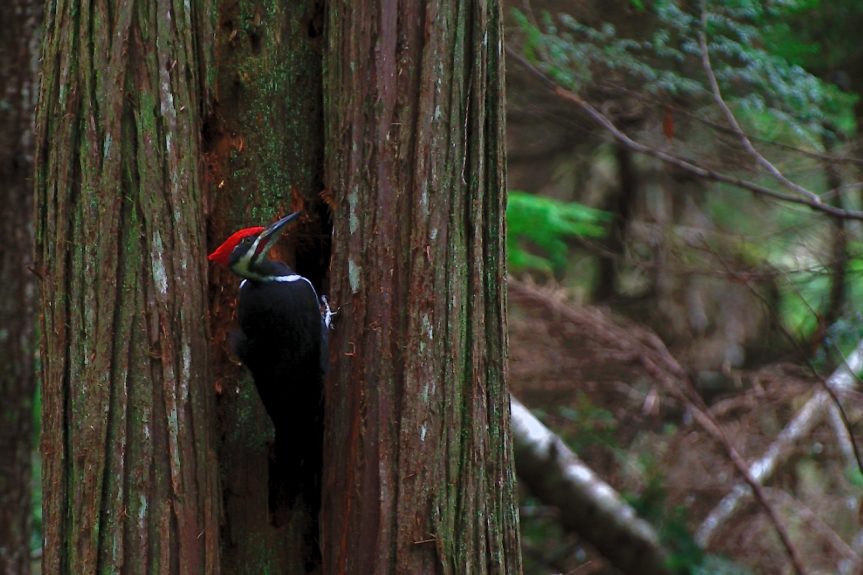
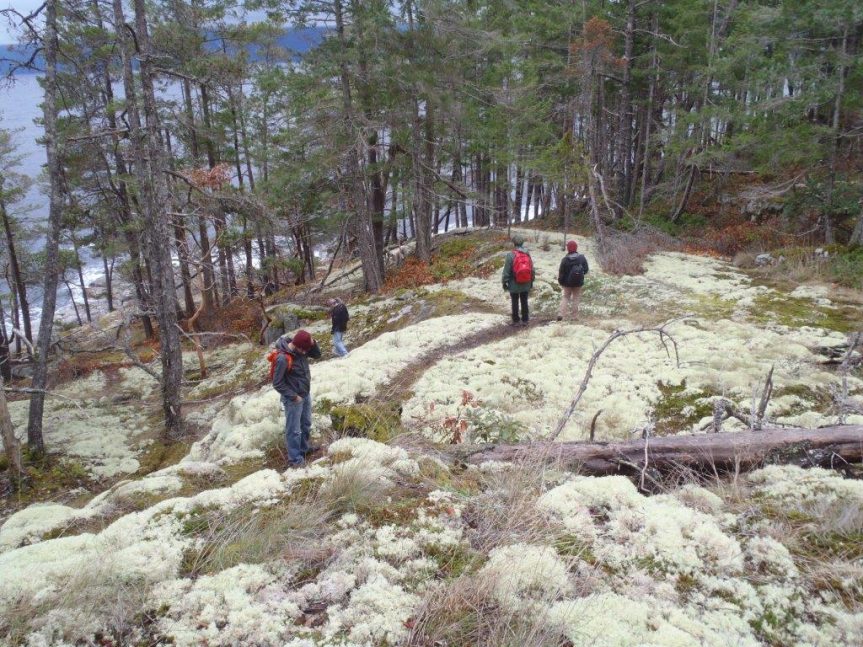
Along the way we saw eagles, ravens and woodpeckers.  Jason pointed out several plants that are indicators of this “red-listed” (threatened) “Douglas Fir – Lodgepole Pine/Reindeer Lichen” ecosystem.  These included the rattlesnake plantain (Goodyera oblongifolia), several species of lichen including the reindeer lichens (Cladina rangerifera and C. portentosa), various mosses, and winter stems of some wildflowers found nowhere else in our region.  This area is a botanist’s delight!

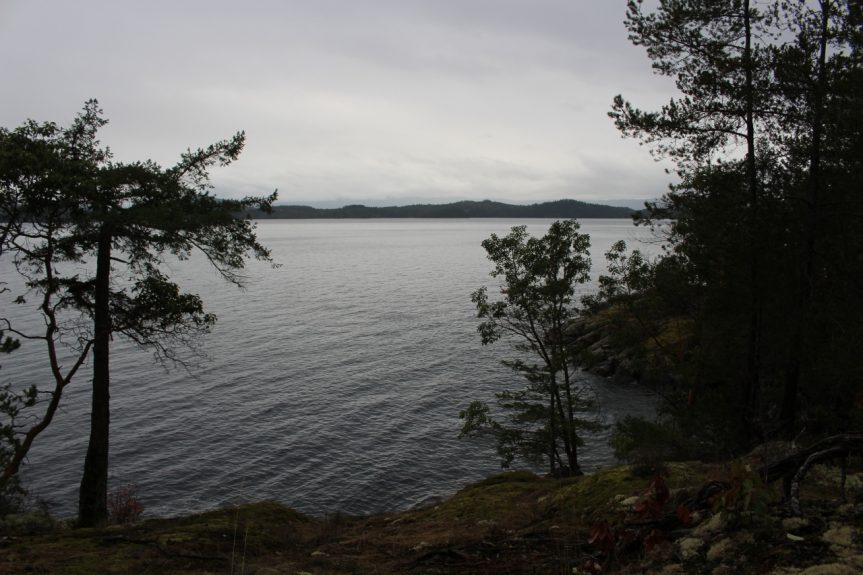
Closer to the  bluffs, we saw a  Sea Lion napping near the surf that woke up when Walter Kubany took a picture of it.  Barbara  Sherriff  and Jason had several  geological discussions  including the Xenoliths in some of the rock.  Jason  showed us where the rock climbing area is and where  bouldering takes place.

It  was a wonderful 2 hour hike in a  very amazing area and we were extremely lucky that it was the day before an terrible wind and rain storm.